We thought that as the new year has just begun, it might be the perfect time to spend a few moments to give those of you who are new into pickling, a short tutorial to help you make each and every one of your pouches successful and satisfying.
And, for those of you veterans who have already discovered the joys of making your own pickles, perhaps you’ll learn a few tips to make this year’s pickling even more special.
To begin, pickling began as an age-old method of food preservation. Having said that, pickled foods became so well liked, that they quickly became a something people prepared for the sheer enjoyment of their flavor.
Today, with refrigeration and modern methods of food preservation, pickled vegetables are a common staple in nearly everyone’s pantry or fridge and we’ve created countless recipes and dishes that use them.
Basically, there are 2 ways to pickle vegetables. The first being the fermentation process which is a salt brine. This process allows the submersed vegetables to eventually ferment via their own natural occurring bacteria (which is what eventually creates spoilage.) This bacteria converts the vegetable’s naturally occurring carbohydrates and sugars into acids which, in turn, preserve the vegetables.
This is process typically takes longer to achieve and also tends to make the resulting vegetables a bit softer due to some deterioration.
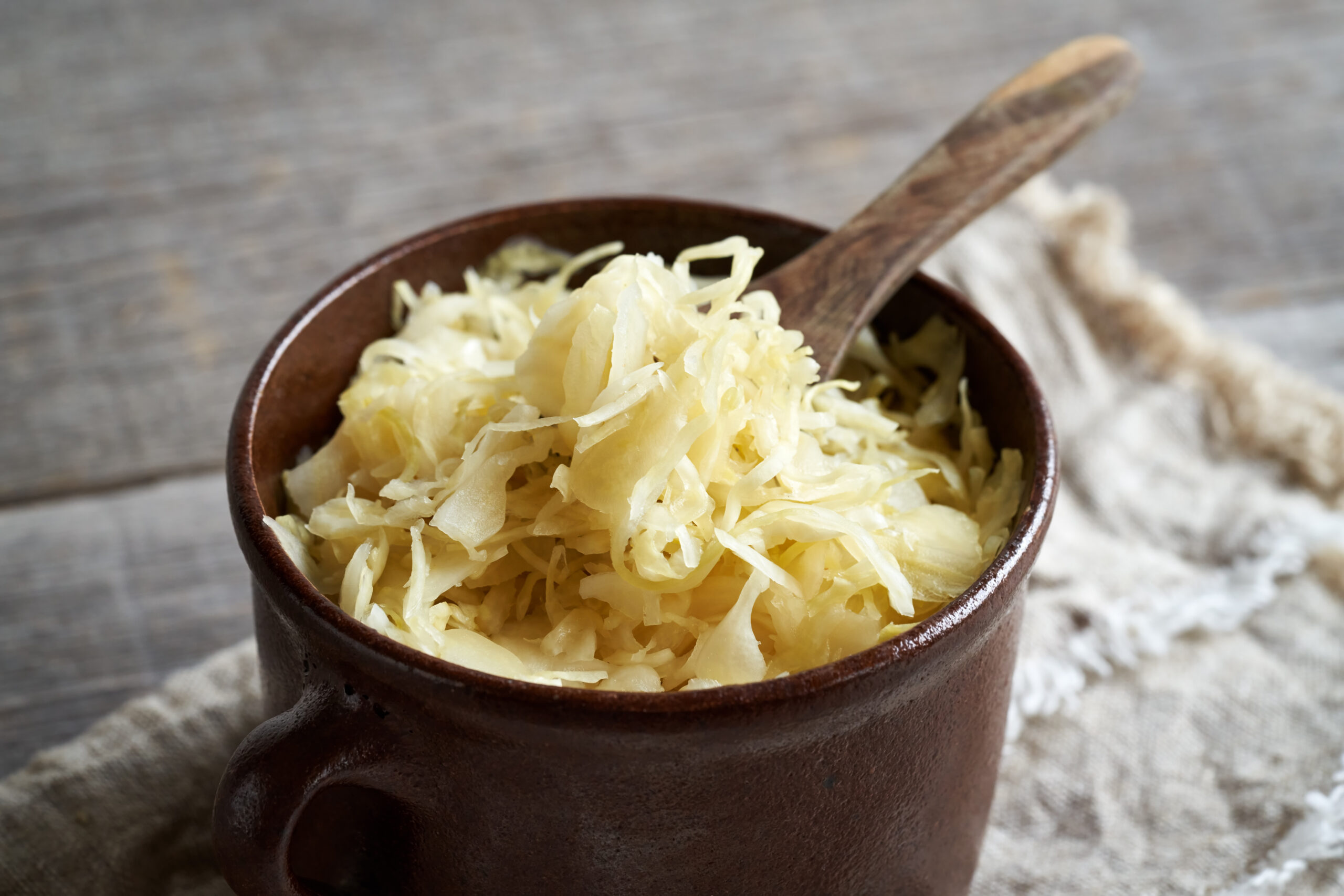
The traditionally made sauerkraut is one of the best examples of this type of pickling method.
The second method, and the one which you use with the Great Lakes Pickling Company pouches, is adding an acetic acid, a.k.a. vinegar, which preserves the vegetables by creating a “liquid environment” which prohibits “bad” bacteria from growing, thus preserving the vegetables for a certain length of time.
This method, called refrigerated pickling, “jump starts” the creation of acid and immediately begins the preservation process. It’s easier to use, much quicker to make, and the final result is generally a much crisper final product.
It also gives you the opportunity for flavor experimentation as you can use many different flavored vinegars.
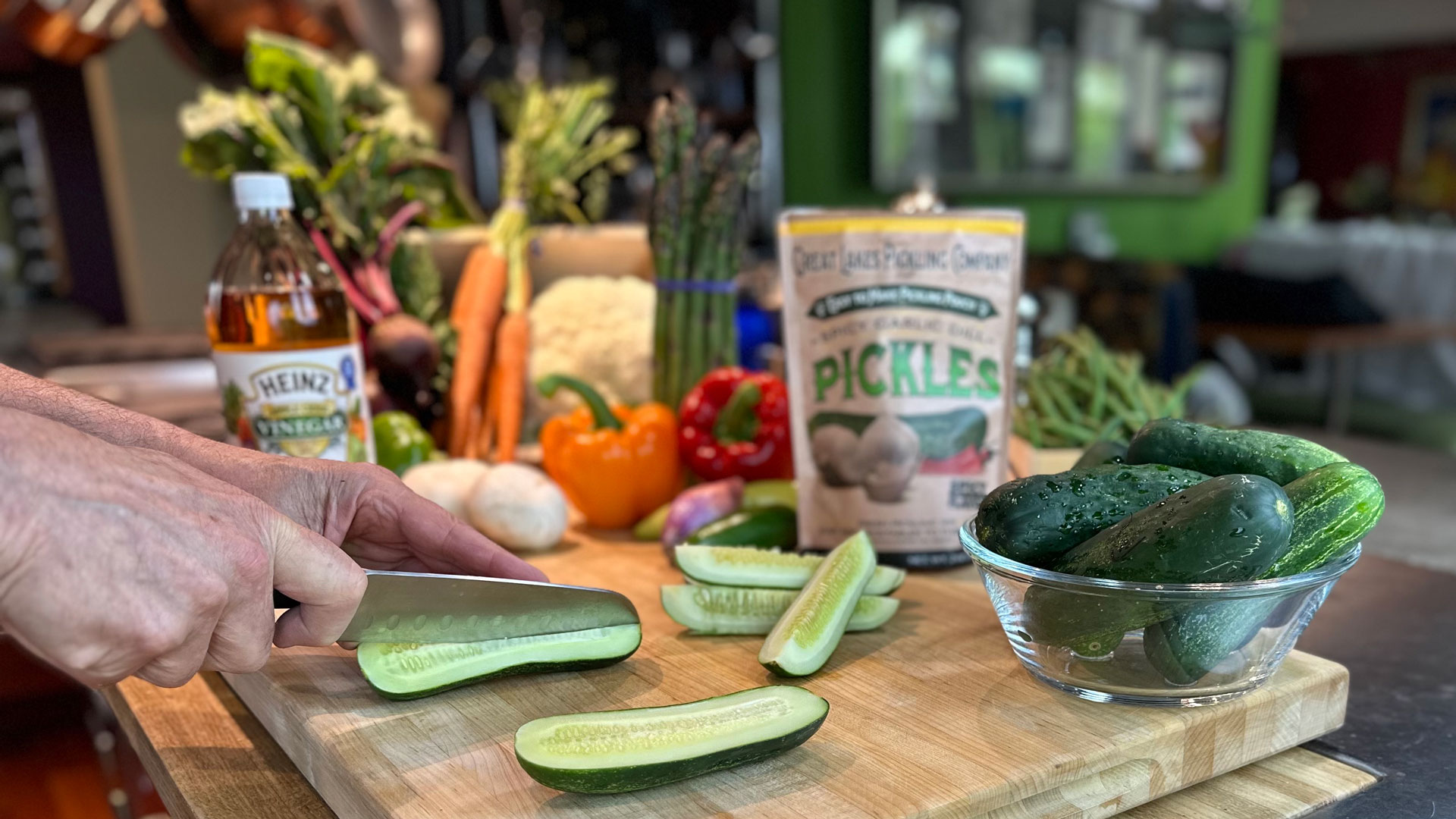
Of course, cucumbers are the most pickled vegetable, but almost ANY vegetable can be successfully pickled with our pouches.
There are some caveats however. Mainly the density of each of the vegetable’s structures itself, which means that a vegetable such as a carrot, would take longer for the brine to penetrate, soften and flavor, what let’s say, a cucumber.
We also have a Blog about this subject and a reference chart which can give you more specific recommendations on how different vegetables can be prepared for pickling. Click HERE for more information.
One of the BEST things about our pickling pouches is how many flavors we have, 6, how quickly you can enjoy them, in as little as 3 days, and how delicious and crisp they are!
Frequently Asked Questions:
Q. Can you “can/process” a finished batch of Great Lakes Pickling Company pouch pickles?
A. It isn’t recommended for a few reasons. 1). The amount of vinegar is a bit less than recipes created for longer storage canned pickling, thus, less longer-term preservation. 2). Even if you added more vinegar, you’d still have to sterilize all of your jars and equipment, bring your already finished pouch brine solution to a simmer/boil, then add your finished refrigerated pickles to the jar, add the hot brine, seal and basically cook your already finished pickled vegetable? Why?
Q. How long will my finished pickle pouch vegetables last?
A. Generally, if you’ve washed your vegetables and followed safe preparation techniques (read our Blog HERE), kept in its brine solution, under refrigeration, we recommend 5 to 6 weeks of shelf life. Well long enough for you to enjoy every bite of your delicious creations!
Q. Can I reuse my pickle pouch brine?
A. Generally, we don’t recommend reusing the brine, mostly because brine which is 4 to 6 weeks old is more susceptible to eventual spoilage from bacteria introduced by the occasional opening, closing and withdrawal of product.
Q. Can I pickle fruits with my pickle pouches?
A. Yes. The one best suited for that, would be our Granny’s Bread & Butter Pickle pouch. We are considering pouches specifically for fruits in the near future.
Q. What kind of vinegar should I use?
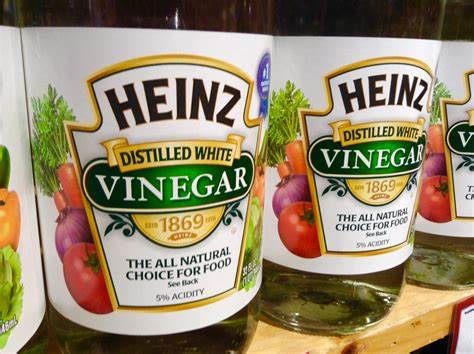
A. The most common vinegars are white (distilled), and cider. They are the 2 you’ll see listed on the easy instructions on our pouches.
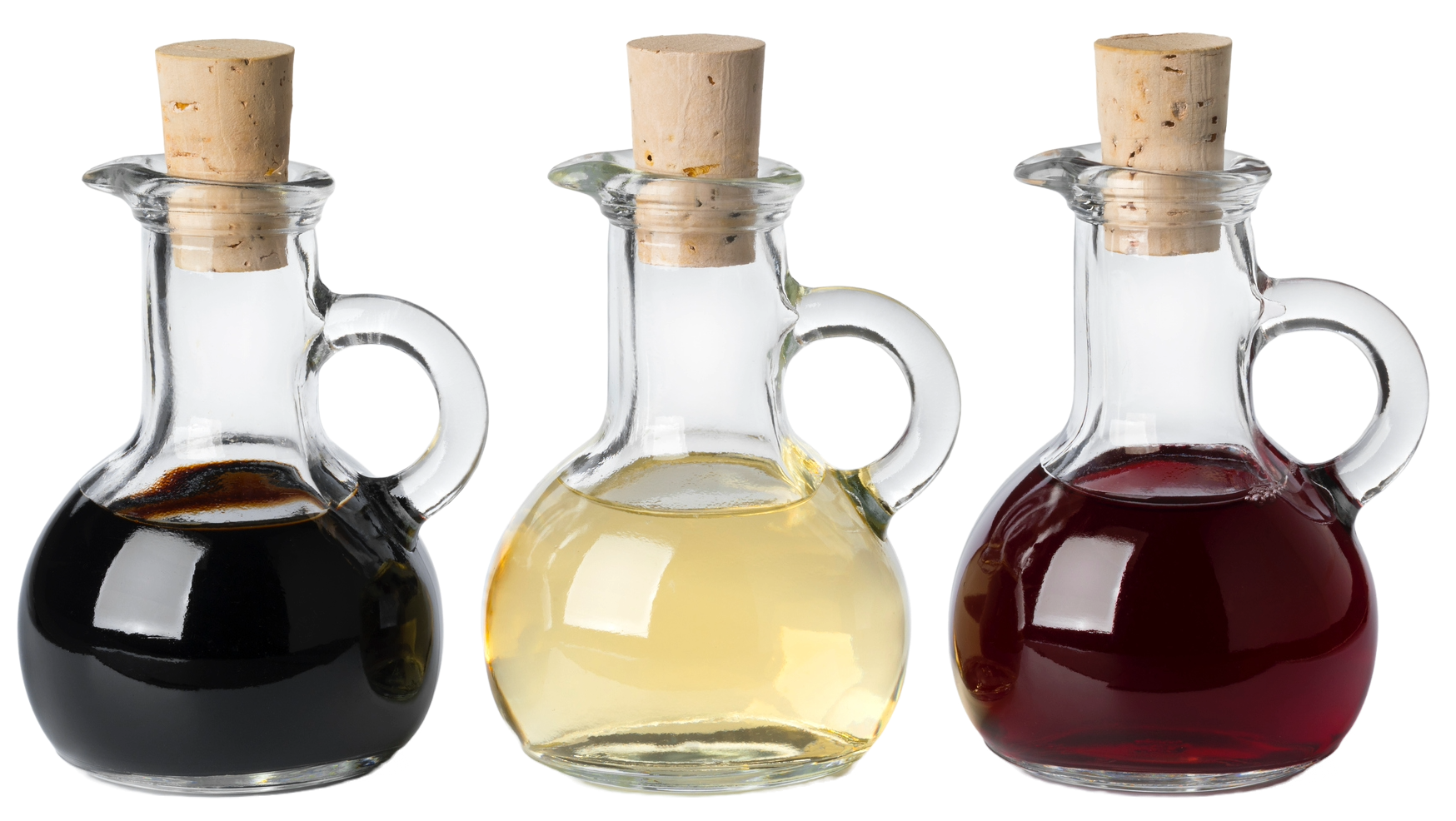
You’re welcome to use other types of vinegars, including malt vinegar, red wine vinegar and sherry vinegar. The one qualifying attribute if that they need to have a 5% acidity which gives you the required pH to safely preserve your pickled vegetables.
We have more great information on vinegars and pH requirements for pickling on one of our Blogs HERE.
Our last question to answer is:
Q. Besides enjoying my pickled vegetables right out of the pouch, are there recipe I can make with them?
A. Absolutely! We have a bunch on our website and we’re adding more all the time. Jump in and check them out HERE.